General Contractor: Your Recommended Contractor for Home Tasks
A general contractor plays an crucial role in home projects. They oversee various aspects of construction, guaranteeing that everything runs smoothly. Their expertise in building codes and standards allows them to handle the complexities of permits and inspections. This expert serves as a vital link between homeowners and subcontractors. However, many homeowners stay uncertain about the full scope of their offerings. Comprehending these specifics can greatly impact the success of any remodeling project.
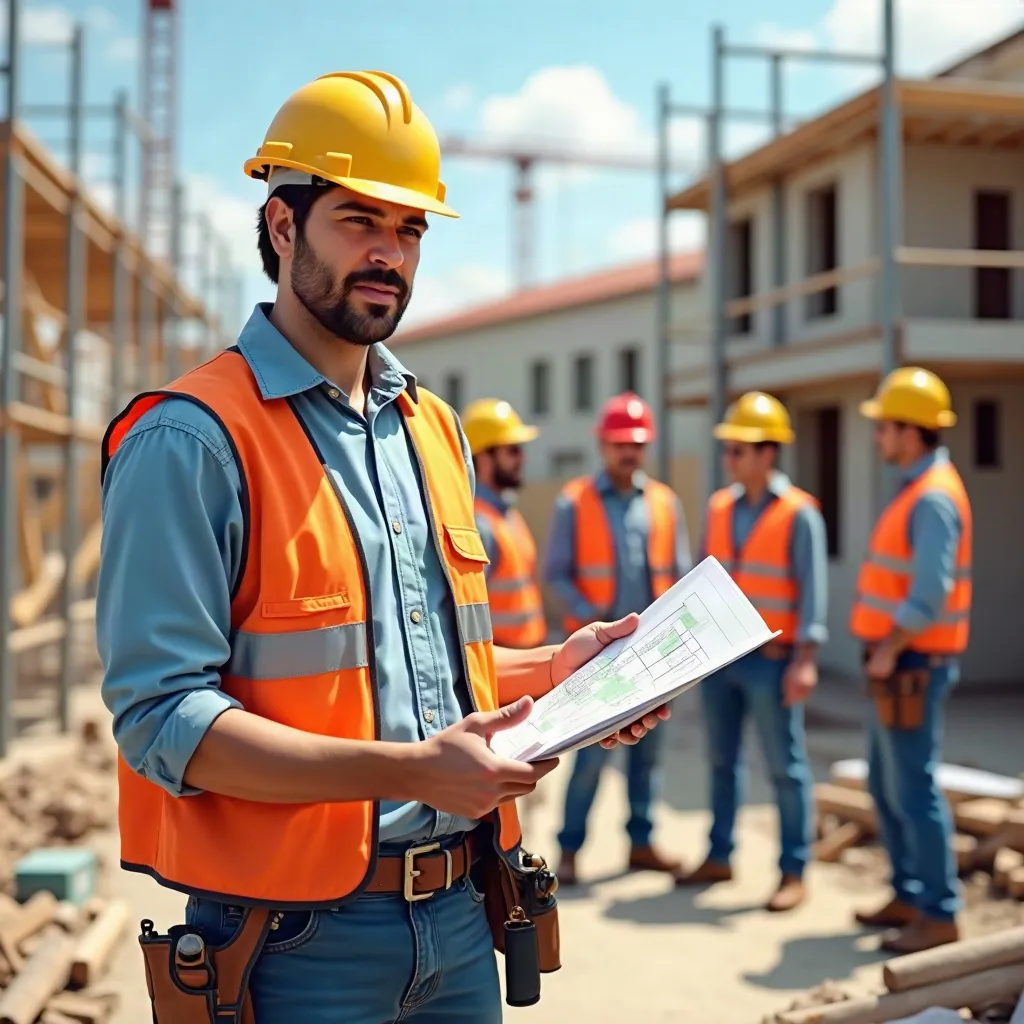
What Does a General Contractor Perform?
A construction leader directs the assorted components of a construction project, ensuring that everything runs smoothly from commencement to conclusion. They serve as the primary point of contact, facilitating exchanges between clients, subcontractors, and material sources. This assignment entails planning the project timeline, mobilizing labor, and securing compliance with state and local building regulations and codes.
General contractors are responsible for obtaining necessary permits and scheduling inspections, which are vital for upholding safety and quality benchmarks. They also handle budgeting, sourcing materials, and managing on-site activities to prevent any possible setbacks or complications. In addition, they supervise subcontractors, ensuring that each phase of construction conforms to project specifications and timelines. Overall, a general contractor's expertise and organizational skills are essential to delivering a successful construction project, transforming a client's vision into reality while managing multiple duties and obligations.
Using a skilled builder for property remodeling provides numerous benefits that can greatly improve the quality and efficiency of the project. Experienced contractors bring knowledge in overseeing projects, guaranteeing deadlines are honored and materials are distributed efficiently. Their established connections with trade specialists can lead to competitive rates and excellent quality, which ultimately saves homeowners money and time.
Furthermore, project managers address the intricate details of approvals and reviews, limiting potential legal issues. They also deliver a one main contact, facilitating interaction and management among various trades. This streamlining reduces the likelihood of errors and postponements.
Furthermore, their experience enables them to foresee potential challenges, facilitating proactive solutions to maintain the project on track. By engaging a general contractor, homeowners can concentrate on their vision while enjoying peace of mind, understanding that a professional is managing every aspect of the renovation.
Refuting Common Myths About General Contractors
Many property owners may hold misconceptions about general contractors, but understanding the facts can lead to more informed decisions. A common myth is that hiring a contractor is not needed for minor projects; yet, their expertise can streamline even minor renovations, ensuring alignment with local codes. Another common belief is that general contractors are simply middlemen, but they usually possess wide knowledge in various trades, allowing them to supervise projects efficiently. Furthermore, some homeowners think that collaborating with a contractor will dramatically raise costs. In truth, a competent contractor can often attain better discounts for materials and labor due to established relationships with suppliers and subcontractors. Lastly, many believe that general contractors are inflexible, but esteemed contractors emphasize check this client communication and work closely to fulfill specific needs. Debunked myths can empower homeowners to make the most of the actual value of general contractors in completing effective home projects.
Finding the Ideal General Contractor?
How can homeowners ensure they choose the ideal general contractor for their projects? The approach starts with thorough research. Property owners should obtain suggestions from friends, family, and online reviews to locate potential candidates. Once a list is assembled, confirming qualifications, such as licensing, insurance, and bonding, is essential to confirm legitimacy.
Next, clients should request and review samples of prior projects, focusing on work of comparable scale. Setting up interviews allows homeowners to gauge compatibility, addressing deadlines, finances, and goals. It's also advisable to gather multiple bids for contrast, providing a transparent view of costs.
Assessing references offers understanding of a contractor's competence and integrity. Finally, relying on your gut feeling is essential; an initial meeting can reveal much about a contractor's communication style and approach. By implementing these procedures, homeowners can substantially improve their likelihood of picking a general contractor who suits their requirements and aspirations.
Proven Conversation Methods Alongside Your General Contractor
Which methods can homeowners employ to maintain proper interaction with their general contractor? Initiating direct engagement from the start is critical. Homeowners should explicitly state their goals, project goals, and financial limits during preliminary talks. Regular updates can be enabled through planned discussions, confirming that both parties remain coordinated throughout the project.
Using written documentation, such as emails or project logs, serves to reinforce spoken commitments and minimizes confusion. Homeowners should also promote open dialogue by soliciting feedback and questions from the contractor, creating a cooperative atmosphere.
Furthermore, taking advantage of technology, including project management apps, can facilitate communication by creating a centralized location for relaying updates, timelines, and changes. Finally, maintaining politeness and approachability can deepen rapport, making it more straightforward for the contractor to discuss challenges or suggestions in a meaningful way. By executing these techniques, homeowners can establish a productive and transparent relationship with their general contractor.
What to Prepare For When Your Undertaking Launches?
When the initiative commences, homeowners should anticipate a wave of activity on-site. The construction manager will oversee groups of qualified craftspeople, comprising electricians, plumbers, and carpenters, who will begin their work in accordance with the agreed-upon schedule. Homeowners may spot large equipment and supplies being delivered, producing a bustling setting.
Keeping contact is essential during this phase. The contractor will supply updates on work being done and tackle any concerns that come up. Homeowners should prepare for potential disruptions, such as sound levels and reduced availability to select areas of the home.
Safety protocols will be in place to protect both workers and residents, ensuring a secure environment. Additionally, homeowners may be encouraged to preserve flexibility, as unexpected problems can arise, necessitating adjustments to the original plan. Overall, this initial phase lays the groundwork for the successful completion of the project, and active participation is essential.
Important Questions for Your Main Contractor Agreement?
Selecting the appropriate topics to ask when executing a general contractor agreement is necessary for ensuring a smooth project. Homeowners should ask about the contractor's license and coverage to establish their credentials and protection against liabilities. Understanding the project schedule and stages is vital; therefore, asking about anticipated completion dates helps maintain expectations.
It is also essential to define payment terms, comprising deposit amounts and payment schedules, to sidestep miscommunications. Homeowners should obtain a thorough accounting of costs, encompassing components and services, to assure transparency. Moreover, talking through the process for managing adjustments or unforeseen issues can circumvent disagreements afterwards.
Finally, homeowners must obtain information regarding subcontractors and their credentials, as well as the communication plan of the contractor throughout the project. By exploring these topics, property owners can create a strong partnership with their general contractor, ultimately resulting in a successful home project.
Commonly Asked Questions
How Do General Contractors Charge for Their Services?
General contractors typically charge through fixed fees, hourly rates, or a portion of the overall project expense. Their costs may also include supplies, labor, and operational expenses, based on the project's complexity and scope.
Can a General Contractor Assist With Permits and Evaluations?
Yes, a general contractor can aid in securing permits and managing inspections. They typically navigate local regulations and guarantee compliance, simplifying the workflow for homeowners while facilitating necessary authorizations throughout the construction project.
What Qualifications Should I Search for in a General Contractor?
When choosing a construction professional, one should evaluate qualifications such as proper licensing, insurance, expertise with similar work, strong references, and strong communication abilities, ensuring they possess the necessary expertise to oversee the project successfully.
How long Does a Typical Home Renovation Project Require?
A conventional home remodeling project can take anywhere from a few weeks to several months, according to the scope, intricacy, and size of the project, as well as the availability of materials and labor.
What Takes Place if My Undertaking Overshoots Spending Cap?
Should a project exceed the budget, the contractor typically discusses the causes and alternatives with the property owner. Modifications may include reducing costs, seeking additional funding, or revising the project scope to align with budget constraints.